Wind is one of the most common causes of wind damage roof Calgary. While hail often gets the most attention, strong Chinook winds, seasonal storms, and sudden gusts can lift shingles, damage flashing, expose roof decking, and create hidden vulnerabilities that lead to leaks.
Many homeowners don’t notice wind damage immediately. A few missing shingles may seem minor, but even small areas of exposure can allow moisture infiltration, insulation damage, mold growth, and structural deterioration over time.
This guide explains how wind damage affects Calgary roofs, what signs to watch for, repair costs, insurance considerations, and practical steps homeowners can take to protect their property.
Understanding Wind Damage on Calgary Roofs
Calgary experiences unique weather patterns throughout the year. The city is known for powerful Chinook winds, winter storms, and seasonal weather events that can place significant stress on residential roofing systems
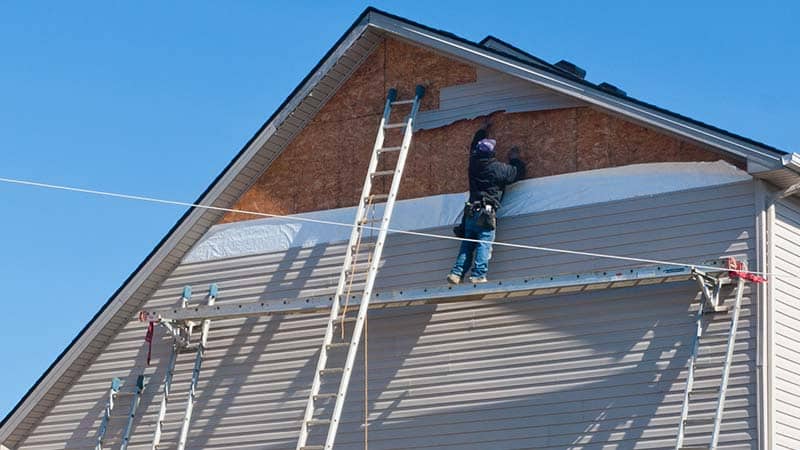
Unlike impact damage, wind damage often develops in stages. High winds create uplift pressure beneath shingles and roofing materials. As the pressure increases, roofing components begin loosening from their attachment points.
Common roofing systems affected by wind include:
- Asphalt shingle roofs
- Architectural shingles
- Metal roofing systems
- Cedar shake roofs
- Flat roofing membranes
- Composite roofing materials
Once shingles begin lifting, they become increasingly vulnerable during future storms. Even if shingles do not detach immediately, weakened seals often lead to accelerated roof deterioration.
For Calgary homeowners, understanding the early signs of wind-related roof issues can prevent expensive repairs and premature roof replacement.
How Wind Damages a Roof
Wind damage is not always dramatic. While some storms tear off large sections of roofing materials, most wind-related issues begin with subtle structural stress.
Shingle Lifting
Strong gusts can break the adhesive seal connecting shingles to the roof surface. Once this seal fails, shingles may curl, flap, or lift during future wind events.
Missing Shingles
One of the most visible forms of wind damage occurs when shingles are completely removed from the roof.
Missing shingles expose:
- Roof decking
- Underlayment
- Nails and fasteners
- Structural roof components
These exposed areas become vulnerable to water intrusion and UV deterioration.
Damaged Flashing
Roof flashing protects vulnerable areas such as:
- Chimneys
- Skylights
- Roof valleys
- Vent penetrations
High winds can bend, loosen, or detach flashing, creating pathways for water infiltration.
Gutter and Fascia Damage
Strong winds often impact more than the roof itself.
Additional components frequently damaged include:
- Gutters
- Soffits
- Fascia boards
- Downspouts
- Eaves
When these systems become compromised, drainage issues can develop around the property.
Common Signs of Wind Damage Roof Calgary Homeowners Should Watch For
Many roofing problems remain hidden until water leaks become visible inside the home.
Regular inspections help identify issues before major repairs become necessary.
Exterior Warning Signs
Look for:
- Missing shingles
- Curled shingle edges
- Creased shingles
- Loose roofing materials
- Exposed nails
- Detached flashing
- Damaged vents
- Granule accumulation in gutters
Granule loss is particularly important because asphalt shingles rely on protective granules to shield against ultraviolet radiation.
Interior Warning Signs
Inside the home, watch for:
- Water stains on ceilings
- Discolored drywall
- Mold growth
- Damp attic insulation
- Musty odors
- Peeling paint
- Increased energy bills
These symptoms often indicate roof damage that has already allowed moisture infiltration.
Why Calgary Roofs Face Higher Wind Exposure
Calgary’s geographic location creates unique weather conditions that increase roofing stress.
Several factors contribute to elevated wind risk:
| Risk Factor | Impact on Roof |
|---|---|
| Chinook Winds | High uplift pressure |
| Open Prairie Exposure | Increased wind speeds |
| Winter Storms | Combined wind and snow stress |
| Sudden Weather Changes | Expansion and contraction cycles |
| Hail and Wind Combination | Accelerated material deterioration |
Properties located in newer suburban developments often experience greater wind exposure due to fewer mature trees acting as windbreaks.
Homes positioned on elevated lots or near open spaces may also experience stronger gusts.
Wind Damage vs Hail Damage: Understanding the Difference
Homeowners frequently confuse wind damage and hail damage because both often occur during severe storms.
Wind Damage Characteristics
Wind damage typically includes:
- Missing shingles
- Lifted shingle tabs
- Creasing
- Torn roofing materials
- Detached flashing
Hail Damage Characteristics
Hail damage generally produces:
- Circular impact marks
- Granule loss
- Bruised shingles
- Surface fractures
- Dented metal components
Professional roof inspections can determine whether damage resulted from wind, hail, or a combination of both.
Proper identification becomes particularly important during insurance claims.
The Hidden Risks of Delaying Wind Damage Repairs
Some homeowners postpone repairs when roof damage appears minor.
Unfortunately, even small issues can create major problems over time.
Water Infiltration
Once roofing materials become compromised, moisture can enter beneath the roof system.
This can lead to:
- Rotting roof decking
- Structural damage
- Insulation deterioration
- Mold growth
Increased Energy Costs
Roof damage often affects attic ventilation and insulation performance.
As conditioned air escapes, heating and cooling systems work harder to maintain indoor temperatures.
Reduced Roof Lifespan
Minor wind damage frequently accelerates overall roof aging.
A roof that could have lasted 25 years may require replacement significantly sooner if damage remains unaddressed.
Wind Damage Roof Inspection Process
A professional roof inspection provides a detailed assessment of storm-related damage.
Most inspections include evaluation of:
Roofing Materials
Inspectors examine:
- Shingles
- Fasteners
- Underlayment
- Ridge caps
- Roof valleys
Roof Penetrations
Special attention is given to:
- Chimneys
- Plumbing vents
- Skylights
- Exhaust vents
Structural Components
Professionals also assess:
- Roof decking
- Attic ventilation
- Moisture intrusion
- Structural integrity
Comprehensive documentation helps homeowners understand repair requirements and supports insurance claims when applicable.
Wind Damage Roof Repair Costs in Calgary
Repair costs vary depending on the severity and extent of damage.
Factors influencing cost include:
- Roof size
- Roofing material
- Accessibility
- Number of damaged shingles
- Flashing repairs
- Structural involvement
Typical Repair Scenarios
| Repair Type | Complexity |
|---|---|
| Minor Shingle Replacement | Low |
| Flashing Repair | Moderate |
| Multiple Roof Sections | Moderate to High |
| Structural Deck Repairs | High |
| Partial Roof Replacement | High |
Because every roof is different, professional inspections remain the most accurate way to determine repair costs.
Does Home Insurance Cover Wind Damage?
Many homeowner insurance policies provide coverage for sudden and accidental wind damage.
Coverage often applies when wind causes:
- Missing shingles
- Roof leaks
- Structural roof damage
- Detached roofing materials
Insurance companies generally require documentation demonstrating that damage resulted from a covered weather event.
Homeowners should:
- Photograph visible damage.
- Document interior leaks.
- Schedule a roof inspection.
- Review policy details.
- File claims promptly.
Waiting too long can complicate the claims process.
Emergency Steps After a Windstorm
After severe weather, safety should remain the priority.
Immediate Actions
- Stay away from fallen power lines.
- Avoid climbing onto the roof.
- Inspect the property from ground level.
- Check ceilings for leaks.
- Document visible damage.
Temporary Protection
If water is entering the home:
- Place buckets beneath leaks.
- Move valuables away from affected areas.
- Cover exposed belongings.
- Contact roofing professionals quickly.
Fast action often reduces secondary damage.
How Professional Roofers Repair Wind Damage
The repair process depends on the severity of damage.
Minor Repairs
Minor repairs may involve:
- Replacing missing shingles
- Resealing lifted shingles
- Reattaching flashing
- Securing roof vents
Moderate Repairs
Moderate damage may require:
- Partial roof section replacement
- Underlayment repairs
- Valley reconstruction
- Ventilation corrections
Major Repairs
Severe wind events can necessitate:
- Extensive decking replacement
- Structural reinforcement
- Full roof replacement
Professional assessments ensure repairs address both visible and hidden damage.
Wind-Resistant Roofing Options for Calgary Homes
Roof replacement presents an opportunity to improve storm resistance.
Popular wind-resistant roofing materials include:
Architectural Asphalt Shingles
These shingles typically offer stronger wind ratings than traditional three-tab shingles.
Benefits include:
- Better durability
- Improved appearance
- Enhanced weather resistance
Metal Roofing
Metal roofing systems have gained popularity in Calgary because of their ability to withstand severe weather conditions.
Advantages include:
- Long lifespan
- Wind resistance
- Fire resistance
- Low maintenance
Impact-Resistant Roofing Systems
Many premium roofing products combine wind and hail protection.
These systems may reduce long-term maintenance requirements and provide greater peace of mind.
Preventing Future Wind Damage
While no roof is completely storm-proof, several proactive measures can reduce risk.
Schedule Regular Roof Inspections
Annual inspections help identify:
- Loose shingles
- Failing seals
- Damaged flashing
- Ventilation issues
Maintain Gutters
Clean gutters improve drainage and reduce water-related roofing stress.
Trim Nearby Trees
Overhanging branches can become projectiles during high winds.
Regular pruning minimizes this risk.
Address Minor Repairs Quickly
Small issues often become expensive problems when ignored.
Prompt maintenance protects both the roof and the home’s structural integrity.
Choosing a Roofing Contractor for Wind Damage Repairs
Selecting the right contractor plays a major role in repair quality and long-term roof performance.
Look for professionals who offer:
- Detailed inspections
- Written estimates
- Storm damage experience
- Local Calgary knowledge
- Manufacturer-certified installation practices
- Strong customer reviews
Ask questions about repair methods, material warranties, and expected project timelines.
A reputable contractor should clearly explain findings and recommended solutions.
Wind Damage Roof Calgary: Key Takeaways for Homeowners
Wind damage can occur suddenly or develop gradually over multiple storms. Calgary’s weather patterns create conditions that place significant stress on roofing systems throughout the year.
Missing shingles, damaged flashing, granule loss, and hidden moisture intrusion are among the most common consequences. Early detection and professional inspections help prevent larger structural problems and costly repairs.
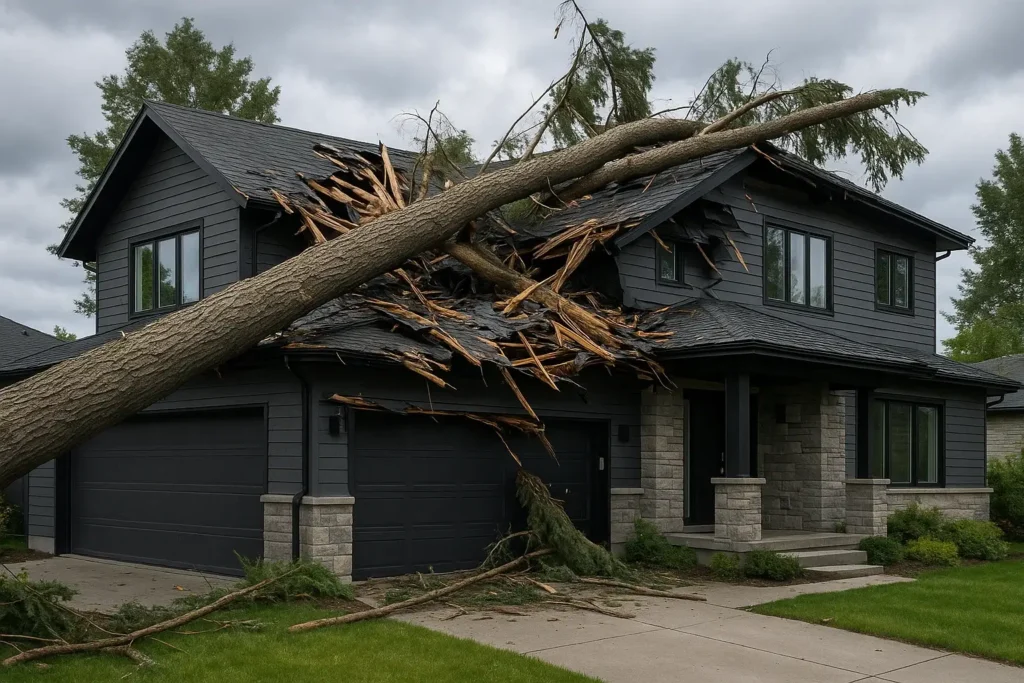
Regular maintenance, prompt storm assessments, and quality roofing materials remain the best defense against future wind-related roof damage.
For Calgary homeowners, treating wind damage seriously can extend roof lifespan, protect property value, and reduce long-term maintenance costs.
Frequently Asked Questions
How can I tell if my roof has wind damage?
Common signs include missing shingles, lifted shingle edges, damaged flashing, granules in gutters, ceiling stains, and attic moisture. A professional roof inspection provides the most accurate assessment.
Can wind damage cause roof leaks?
Yes. Wind can loosen or remove roofing materials, exposing underlayment and roof decking to moisture intrusion.
How soon should wind damage be repaired?
Repairs should be scheduled as soon as possible. Delaying repairs increases the risk of leaks, mold growth, and structural deterioration.
Does homeowner insurance cover wind-damaged roofs?
Many policies cover sudden wind damage, though coverage varies. Homeowners should review their policy and document damage immediately.
What wind speed can damage shingles?
Damage can occur at varying wind speeds depending on roof age, installation quality, material condition, and exposure. Older roofs are generally more vulnerable.
Should I inspect my roof after every major storm?
Yes. A visual ground-level inspection after significant storms can help identify obvious damage before it worsens.
Can a few missing shingles really cause serious problems?
Absolutely. Even small exposed areas can allow moisture infiltration that leads to costly structural repairs over time.