A ceiling leak can be alarming, especially after a severe weather event. A Ceiling Leak After Storm conditions often signals hidden roof damage, compromised flashing, clogged drainage systems, or other structural issues that require immediate attention. While a small water stain may seem minor, moisture can spread quickly and lead to mold growth, insulation damage, and costly repairs.
Understanding why leaks occur after storms helps homeowners respond effectively and minimize damage. This guide explains the most common causes, warning signs, emergency actions, repair options, insurance considerations, and prevention strategies. By identifying problems early and acting quickly, you can protect your home and avoid more expensive restoration work in the future.
Common Causes of a Ceiling Leak After Storm
Storms can expose weaknesses that may have gone unnoticed for months or even years. Heavy rain, strong winds, hail, and falling debris all place significant stress on roofing systems.
A Ceiling Leak After Storm events often results from one or more of the following issues:
- Missing or damaged shingles
- Cracked roof flashing
- Hail impact damage
- Broken roof vents
- Clogged gutters and downspouts
- Damaged skylights
- Ice dam formation
- Aging roofing materials
Wind-driven rain can also force water beneath shingles and roofing components. Even a small opening can allow moisture to enter attic spaces and eventually reach ceilings.
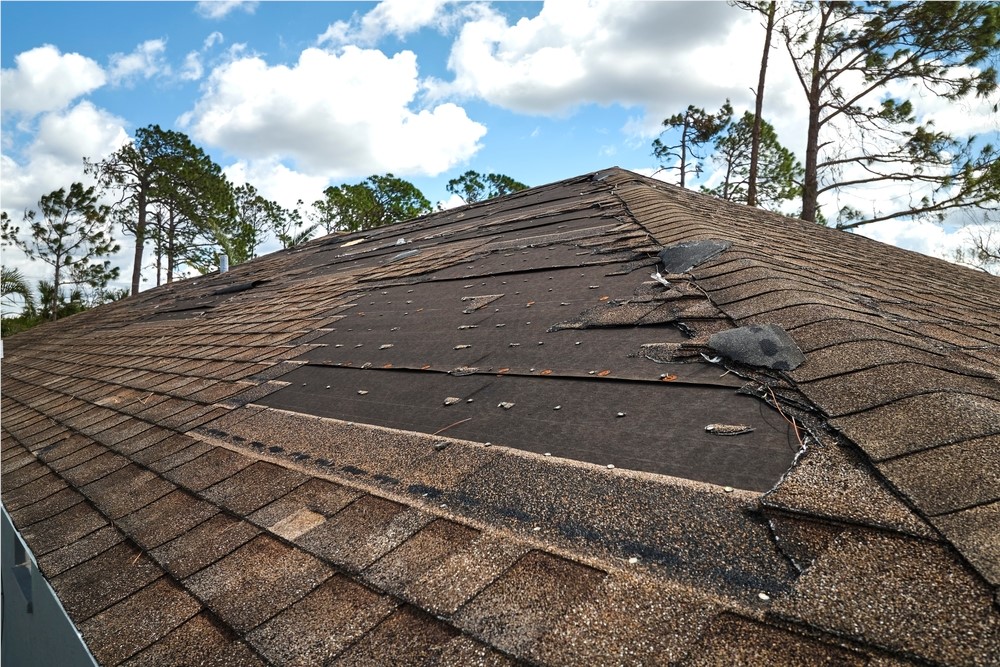
Roof Damage from High Winds
Strong winds can loosen roofing materials and create entry points for water.
Common wind-related issues include:
- Lifted shingles
- Torn roofing membranes
- Damaged flashing
- Exposed roof decking
After any major storm, a professional roof inspection can help identify hidden damage before leaks worsen.
Early Warning Signs You Should Never Ignore
Water dripping from the ceiling is not always the first sign of a leak. In many cases, moisture accumulates gradually before becoming visible.
When a Ceiling Leak After Storm develops, homeowners may notice subtle indicators first.
Watch for:
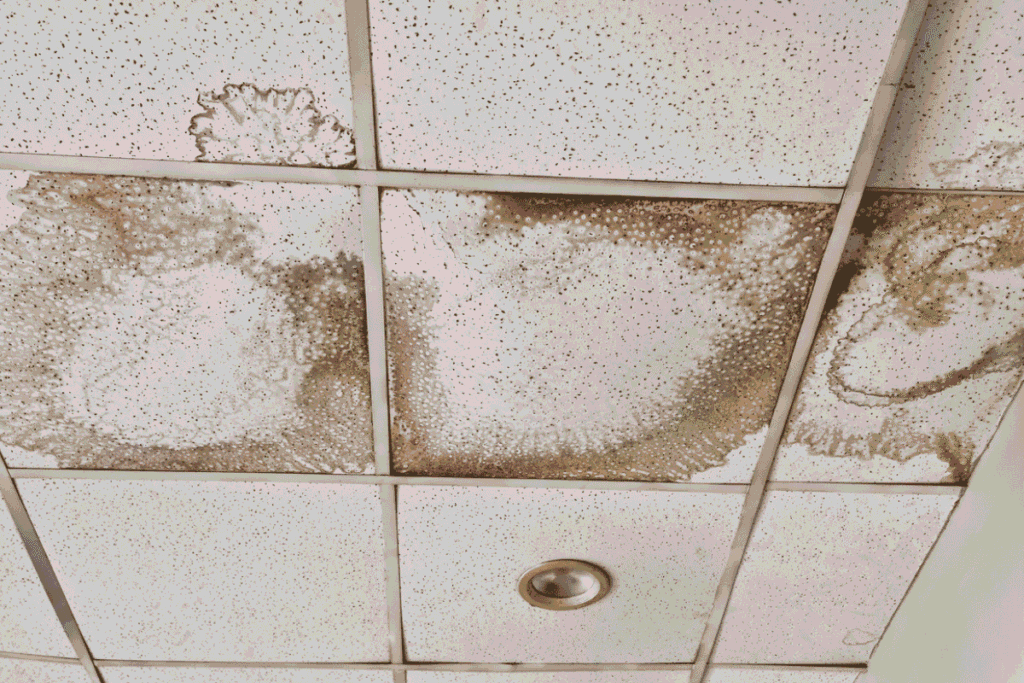
- Brown water stains
- Bubbling paint
- Sagging drywall
- Musty odors
- Mold growth
- Damp attic insulation
- Peeling wallpaper
- Increased indoor humidity
These warning signs often indicate ongoing moisture intrusion.
Ignoring them can allow damage to spread throughout the structure.
Hidden Signs Behind Walls and Ceilings
Not all storm-related leaks become visible immediately.
Some hidden indicators include:
- Soft drywall surfaces
- Warped wood framing
- Electrical issues
- Persistent damp odors
Professional moisture detection tools can locate water trapped behind finished surfaces before serious deterioration occurs.
Immediate Steps to Take After Discovering a Leak
Fast action can significantly reduce repair costs and limit property damage.
If you notice a Ceiling Leak After Storm conditions, focus on protecting your home and belongings while arranging professional assistance.
Emergency Actions to Protect Your Property
Follow these steps immediately:
- Move furniture and valuables away from affected areas.
- Place buckets beneath active drips.
- Remove standing water if safe.
- Turn off electricity near affected areas if necessary.
- Photograph all visible damage.
- Contact a qualified roofing contractor.
Documenting damage can also support future insurance claims.
Avoid climbing onto the roof during or immediately after severe weather. Wet surfaces create significant safety hazards.
Temporary Leak Control Measures
Professional roofers may recommend temporary solutions such as:
- Emergency roof tarping
- Waterproof sealants
- Protective coverings
- Drainage improvements
These measures help reduce further water intrusion until permanent repairs can be completed.
Roof Inspection and Leak Detection Process
Finding the true source of a leak requires more than locating the water stain on your ceiling.
Water often travels through roofing systems before becoming visible indoors.
A professional inspection typically includes:
- Roof surface evaluation
- Flashing assessment
- Attic inspection
- Vent examination
- Moisture testing
- Structural review
A Ceiling Leak After Storm situations may originate far from the area where water appears inside the home.
Why Professional Inspections Matter
Many roofing issues remain hidden from ground-level observation.
Professional inspectors use specialized equipment to identify:
- Moisture accumulation
- Damaged underlayment
- Structural weaknesses
- Ventilation problems
Early detection prevents minor problems from becoming major restoration projects.
Repair Options for Storm-Related Ceiling Leaks
Repair recommendations depend on the extent of damage and the age of the roofing system.
Some leaks require only localized repairs, while others may indicate broader roofing issues.
Common repair solutions include:
- Shingle replacement
- Flashing repairs
- Roof vent replacement
- Sealant renewal
- Gutter repairs
- Underlayment replacement
A Ceiling Leak After Storm incidents should always be fully investigated before cosmetic interior repairs begin.
Repairing drywall without fixing the source often leads to recurring leaks.
When Roof Replacement Becomes Necessary
In certain situations, repairs may not provide a long-term solution.
Roof replacement may be recommended when:
- Damage is widespread
- Roofing materials have reached end-of-life
- Multiple leaks are present
- Structural deterioration exists
A qualified contractor can determine whether repair or replacement offers the best value.
Insurance Claims for Storm Damage
Many homeowners wonder whether insurance will cover storm-related leaks.
Coverage depends on the cause of damage and the details of the policy.
A Ceiling Leak After Storm conditions may qualify for coverage when sudden weather events cause direct damage.
Examples include:
- Wind damage
- Hail damage
- Falling tree impacts
- Storm-created openings
However, insurers often deny claims related to neglect or lack of maintenance.
Tips for a Successful Insurance Claim
To improve claim outcomes:
- Take clear photos immediately
- Save repair estimates
- Document all communication
- Keep receipts for emergency mitigation
- Schedule inspections promptly
Thorough documentation helps demonstrate the extent and cause of damage.
Preventing Future Ceiling Leaks
Prevention remains the most effective strategy for protecting your property.
Routine maintenance helps identify vulnerabilities before storms expose them.
Key prevention measures include:
- Annual roof inspections
- Seasonal maintenance checks
- Gutter cleaning
- Tree trimming
- Attic ventilation improvements
- Prompt roof repairs
Many homeowners experiencing a Ceiling Leak After Storm discover that regular maintenance could have reduced the risk.
Seasonal Roof Maintenance Checklist
Spring:
- Inspect winter damage
- Check flashing integrity
- Clean gutters
Summer:
- Examine shingles
- Address minor repairs
- Evaluate ventilation
Fall:
- Remove leaves and debris
- Prepare for snow accumulation
- Inspect drainage systems
Winter:
- Monitor ice dam formation
- Check attic insulation
- Watch for moisture buildup
Consistent maintenance extends roof life and improves storm resistance.
Choosing the Right Roofing Professional
The quality of repairs depends heavily on the contractor performing the work.
When evaluating roofing companies, consider:
- Industry experience
- Licensing and insurance
- Customer reviews
- Warranty coverage
- Inspection procedures
- Local expertise
A Ceiling Leak After Storm situations often require contractors familiar with weather-related roof damage and insurance claim processes.
Request detailed estimates and compare recommendations carefully before making a final decision.
Professional workmanship helps ensure repairs remain effective for years to come.
Conclusion
A ceiling leak should never be ignored, especially after severe weather. A Ceiling Leak After Storm often indicates underlying roof damage that can worsen quickly if left unresolved. Early detection, prompt inspections, and professional repairs help protect your home from structural deterioration, mold growth, and expensive restoration costs.
By understanding common causes, recognizing warning signs, and following preventive maintenance practices, homeowners can significantly reduce the risk of future leaks. If you notice signs of water intrusion after a storm, arrange a professional inspection as soon as possible. Taking action today can help safeguard your property and prevent larger roofing issues tomorrow.
Frequently Asked Questions
1. What causes a Ceiling Leak After Storm events?
Storm-related roof damage, missing shingles, flashing failures, clogged gutters, and hail impacts are common causes.
2. Is a ceiling leak considered an emergency?
Yes. Water intrusion can damage insulation, drywall, electrical systems, and structural components.
3. Can a roof leak stop on its own?
The visible dripping may stop temporarily, but the underlying problem typically remains.
4. How quickly should I repair a Ceiling Leak After Storm damage?
Repairs should begin as soon as possible to prevent additional water damage.
5. Will homeowners insurance cover storm-related leaks?
Coverage depends on policy terms and whether storm damage directly caused the leak.
6. How do roofers locate hidden leaks?
Roofers use inspections, moisture detection equipment, and attic evaluations to identify leak sources.
7. Can mold develop after a ceiling leak?
Yes. Mold can begin growing within 24 to 48 hours in damp conditions.
8. Should I repair my ceiling before fixing the roof?
No. The source of the leak must be repaired first.
9. How much damage can a small leak cause?
Even a small leak can lead to significant structural and moisture-related issues over time.
10. How can I prevent a Ceiling Leak After Storm conditions in the future?
Schedule annual inspections, maintain gutters, repair roof damage promptly, and improve attic ventilation.