Wet attic insulation is a common yet often overlooked problem for homeowners. Wet Attic Insulation Calgary issues can develop due to roof leaks, poor ventilation, condensation, or ice dam formation. Although insulation is designed to improve energy efficiency and indoor comfort, moisture can significantly reduce its effectiveness and create costly problems.
If left untreated, damp insulation can lead to mold growth, structural damage, higher energy bills, and poor indoor air quality. Calgary’s unique climate, with its cold winters and frequent temperature fluctuations, makes attic moisture management especially important.
This guide explains the causes, warning signs, risks, repair options, and prevention strategies related to Wet Attic Insulation Calgary homeowners frequently encounter. Understanding these factors can help protect your property and maintain a healthy living environment.
Common Causes of Wet Attic Insulation
Moisture does not appear in attic insulation without a reason. Identifying the source is the first step toward solving the problem.
Several factors contribute to Wet Attic Insulation Calgary homes experience throughout the year.
Common causes include:
- Roof leaks
- Ice dam formation
- Poor attic ventilation
- Condensation buildup
- Damaged flashing
- Blocked soffit vents
- Plumbing leaks
- Bathroom exhaust vent issues
During winter, warm indoor air rises into the attic. When that warm air meets cold attic surfaces, condensation forms. Over time, moisture accumulates within insulation materials.
In addition, small roof leaks may allow water to penetrate the attic without obvious signs inside the home.
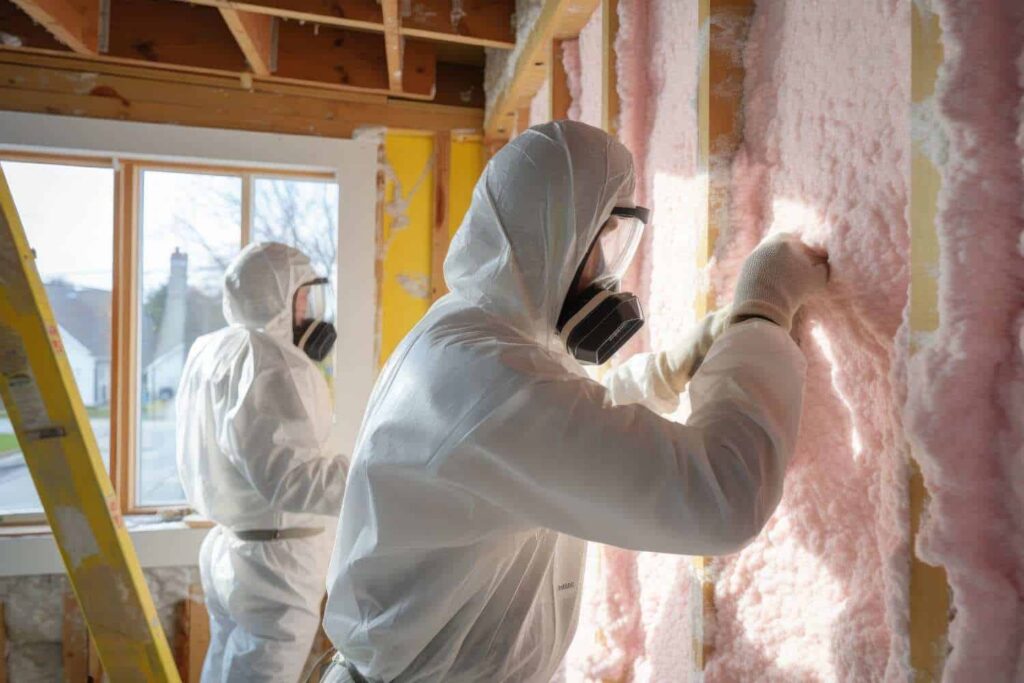
Roof Leaks and Water Intrusion
Roofing damage remains one of the leading causes of attic moisture.
Potential leak sources include:
- Missing shingles
- Cracked flashing
- Damaged vents
- Worn sealants
- Storm-related roof damage
Regular roof inspections can help identify these issues before significant moisture problems develop.
Warning Signs of Attic Moisture Problems
Many homeowners do not discover attic moisture until substantial damage has occurred. Fortunately, several warning signs often appear before conditions worsen.
If Wet Attic Insulation Calgary conditions exist, you may notice:
- Increased heating costs
- Mold or mildew odors
- Damp insulation
- Frost accumulation in winter
- Water stains on ceilings
- Peeling paint
- Condensation on attic surfaces
- Reduced indoor comfort
These symptoms indicate that moisture is entering or accumulating within the attic space.
Signs Visible During Attic Inspections
Routine attic inspections often reveal hidden moisture issues.
Look for:
- Darkened insulation
- Compressed insulation material
- Mold growth on wood framing
- Rusted nails
- Damp roof decking
Early detection helps reduce repair costs and prevents larger structural concerns.
How Wet Insulation Affects Energy Efficiency
Insulation works by trapping air and slowing heat transfer. However, when insulation becomes wet, its performance drops significantly.
Wet Attic Insulation Calgary homeowners deal with often results in higher energy consumption and reduced comfort.
Moisture-filled insulation loses its ability to resist heat flow effectively. As a result, heating systems must work harder to maintain indoor temperatures.
Key consequences include:
- Higher utility bills
- Uneven room temperatures
- Increased furnace workload
- Reduced insulation lifespan
- Greater energy waste
Even a small amount of moisture can compromise insulation performance.
Why Moisture Reduces Insulation Effectiveness
Most insulation materials rely on air pockets for thermal resistance.
When water fills these spaces:
- Heat escapes more easily
- Thermal performance decreases
- Energy costs increase
- Indoor comfort declines
Replacing severely damaged insulation is often necessary to restore energy efficiency.
Health Risks Associated With Wet Attic Insulation
Moisture problems affect more than just building materials. They can also impact occupant health.
Wet Attic Insulation Calgary situations frequently create conditions that encourage mold growth.
Mold spores may spread through ventilation systems and affect indoor air quality.
Potential health concerns include:
- Allergic reactions
- Respiratory irritation
- Asthma aggravation
- Persistent coughing
- Eye irritation
Children, seniors, and individuals with respiratory conditions may be especially sensitive to mold exposure.
Mold Growth and Indoor Air Quality
Mold thrives in damp, dark environments.
Attics with persistent moisture provide ideal conditions for mold development.
If mold is present, professional remediation may be necessary before replacing insulation materials.
Addressing moisture sources remains essential to preventing future contamination.
Attic Ventilation and Moisture Control
Proper ventilation plays a critical role in preventing attic moisture.
A balanced attic ventilation system allows fresh air to enter while removing excess humidity.
Many Wet Attic Insulation Calgary problems stem from inadequate airflow.
Essential ventilation components include:
- Soffit vents
- Ridge vents
- Roof vents
- Gable vents
When ventilation systems function properly, moisture levels remain more stable throughout the year.
Importance of Balanced Airflow
Attic ventilation requires both intake and exhaust airflow.
Without balance:
- Humidity accumulates
- Condensation increases
- Insulation becomes damp
- Roofing materials deteriorate faster
Professional assessments can identify ventilation deficiencies and recommend improvements.
Repairing Wet Attic Insulation
Successful repairs require more than simply replacing insulation. The underlying moisture source must also be addressed.
Wet Attic Insulation Calgary remediation typically involves several steps.
The process may include:
- Moisture source identification
- Roof repairs
- Ventilation improvements
- Mold remediation
- Insulation removal
- Insulation replacement
Failure to correct the root cause often leads to recurring problems.
When Insulation Should Be Replaced
Replacement is usually recommended when insulation:
- Remains saturated
- Contains mold growth
- Has become compressed
- Shows signs of deterioration
Drying alone may not restore full thermal performance.
Professional inspections help determine whether replacement is necessary.
Preventing Future Attic Moisture Issues
Preventive maintenance remains the most effective way to avoid moisture-related attic problems.
Homeowners can reduce the likelihood of Wet Attic Insulation Calgary concerns by taking proactive measures.
Recommended prevention strategies include:
- Schedule annual roof inspections
- Maintain attic ventilation
- Seal air leaks
- Clean roof drainage systems
- Monitor attic humidity levels
- Address roof damage promptly
Regular maintenance often costs far less than major repairs or insulation replacement.
Seasonal Maintenance Checklist
Spring:
- Check for winter damage
- Inspect roof flashing
- Evaluate attic moisture levels
Summer:
- Improve ventilation if needed
- Seal air leaks
- Inspect insulation condition
Fall:
- Clean gutters
- Prepare for snow accumulation
- Verify vent functionality
Winter:
- Watch for frost buildup
- Monitor attic temperatures
- Inspect for condensation
Consistent maintenance supports long-term attic performance.
Why Calgary’s Climate Contributes to Attic Moisture
Calgary’s weather creates unique conditions that increase the risk of attic moisture issues.
Cold winters combined with indoor heating generate significant temperature differences between living spaces and attics.
As warm air rises, condensation can develop when it contacts cold surfaces.
Wet Attic Insulation Calgary homeowners encounter often results from:
- Freeze-thaw cycles
- Heavy snow accumulation
- Ice dams
- Rapid temperature changes
- Indoor humidity buildup
Understanding these climate-related factors helps homeowners implement effective prevention measures.
Working with roofing and insulation professionals familiar with local conditions can provide additional protection against future moisture problems.
Conclusion
Moisture in attic insulation should never be ignored. Wet Attic Insulation Calgary homes experience can reduce energy efficiency, increase utility costs, damage building materials, and create unhealthy indoor conditions. Identifying the source of moisture quickly is essential for preventing larger issues.
Regular roof inspections, proper ventilation, and routine maintenance help keep attic spaces dry and insulation performing effectively. Addressing minor problems early often prevents costly repairs later.
If you suspect moisture in your attic, consider scheduling a professional inspection. Taking action today can protect your home’s structure, improve energy efficiency, and help prevent future Wet Attic Insulation Calgary concerns.

Frequently Asked Questions
1. What causes Wet Attic Insulation Calgary homes commonly experience?
Roof leaks, condensation, poor ventilation, ice dams, and plumbing leaks are common causes.
2. Can wet insulation dry on its own?
Some materials may partially dry, but damaged insulation often loses effectiveness and may require replacement.
3. Is wet attic insulation dangerous?
Yes. It can encourage mold growth, reduce energy efficiency, and contribute to structural damage.
4. How can I tell if my attic insulation is wet?
Signs include damp insulation, mold odors, water stains, frost buildup, and higher energy bills.
5. Does wet insulation affect heating costs?
Yes. Wet insulation loses thermal resistance, making heating systems work harder.
6. How often should attics be inspected?
Annual inspections are recommended, along with checks after major storms.
7. Can poor ventilation cause wet insulation?
Yes. Inadequate ventilation often leads to condensation and moisture accumulation.
8. Should moldy insulation be removed?
In most cases, mold-contaminated insulation should be professionally removed and replaced.
9. Can ice dams lead to attic insulation damage?
Yes. Ice dams often force water beneath roofing materials and into attic spaces.
10. How can I prevent Wet Attic Insulation Calgary issues?
Maintain proper ventilation, repair roof damage promptly, and schedule regular attic inspections.