A leaking roof can quickly turn into a costly problem if left unchecked. Whether the issue appears after a heavy rainstorm, melting snow, or strong winds, early detection is critical. This Roof Leak Checklist Calgary guide helps homeowners identify warning signs, inspect vulnerable areas, and understand when professional assistance may be necessary.
Calgary’s climate presents unique challenges for roofing systems. Sudden weather changes, hail, snow accumulation, and freeze-thaw cycles can all contribute to roof damage over time. By following a structured Roof Leak Checklist Calgary, you can spot issues before they lead to significant repairs.
In this guide, you’ll learn how to inspect your roof safely, identify common leak sources, understand seasonal risks, and create a practical maintenance routine that protects your property year-round.
Why Roof Leaks Are Common in Calgary
Calgary homeowners face weather conditions that can accelerate roof deterioration. Understanding these risks makes a Roof Leak Checklist Calgary more effective.
Extreme Weather Conditions
The city experiences:
- Heavy snowfall
- Hailstorms
- Strong winds
- Rapid temperature fluctuations
- Ice buildup during winter
These factors place constant stress on roofing materials.
Freeze-Thaw Cycles
One of the most common causes of roofing damage is the freeze-thaw cycle. Water enters small cracks, freezes, expands, and creates larger openings.
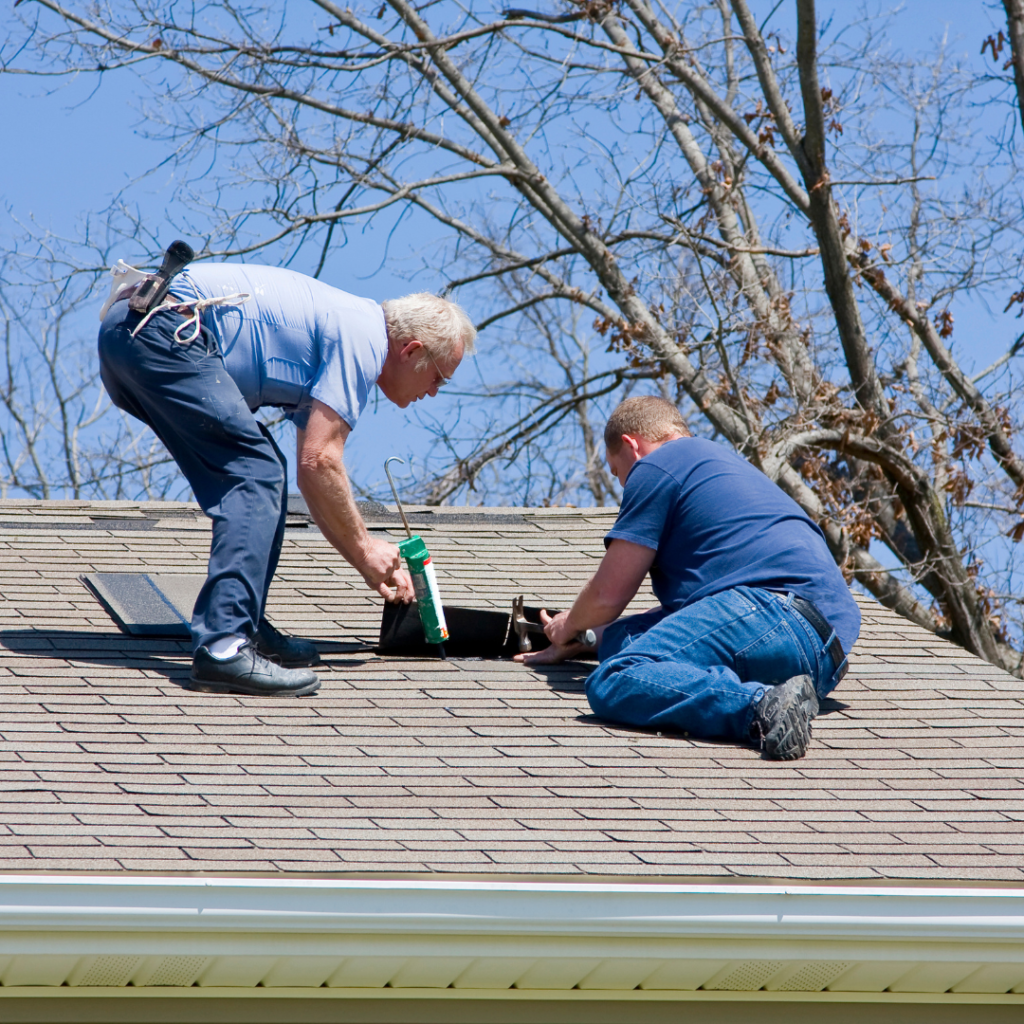
Over time, these small weaknesses can allow moisture to enter your attic and living spaces.
Aging Roofing Materials
Even high-quality roofing materials have a limited lifespan. Regular inspections help homeowners identify wear before it becomes a serious problem.
A proactive Roof Leak Checklist Calgary helps catch these issues early and reduces long-term repair costs.
Interior Warning Signs of a Roof Leak
Many homeowners discover roof leaks from inside the home first. These warning signs should never be ignored.
Water Stains on Ceilings
Brown or yellow stains often indicate water intrusion.
Pay attention to:
- Ceiling corners
- Around skylights
- Upper-floor rooms
- Areas near chimneys
Peeling Paint and Bubbling Drywall
Moisture trapped behind walls can cause paint to peel and drywall to swell.
This often signals an ongoing leak rather than a one-time event.
Musty Odors
Persistent damp smells may indicate hidden moisture inside insulation or building materials.
Mold Growth
Mold thrives in damp environments and can spread rapidly when roof leaks remain untreated.
Including interior inspections in your Roof Leak Checklist Calgary helps identify problems before structural damage develops.
Exterior Roof Inspection Checklist
An exterior inspection provides valuable insight into your roof’s condition.
Check Missing or Damaged Shingles
Look for:
- Cracked shingles
- Curling edges
- Missing sections
- Loose roofing materials
These issues create pathways for water entry.
Inspect Flashing Areas
Roof flashing protects vulnerable roof transitions.
Pay close attention to:
- Chimneys
- Skylights
- Roof vents
- Valleys
Damaged flashing is a common source of leaks.
Examine Gutters and Downspouts
Blocked drainage systems can force water back onto the roof.
Signs of concern include:
- Overflowing gutters
- Sagging sections
- Excess granules
- Standing water
Look for Visible Sagging
Any sagging area may indicate trapped moisture or structural deterioration.
A thorough Roof Leak Checklist Calgary should include visual inspections after major storms and seasonal weather changes.
Attic Inspection and Moisture Detection
Many roof leaks become visible in the attic before they appear inside living spaces.
Inspect Insulation
Wet insulation loses effectiveness and often indicates a hidden leak.
Look for:
- Damp spots
- Compression
- Discoloration
Search for Sunlight Penetration
During daylight hours, inspect the attic for visible rays of sunlight.
Light entering through the roof often means water can enter as well.
Check Roof Decking
Wood decking should appear dry and solid.
Watch for:
- Dark stains
- Soft areas
- Mold growth
- Rotting wood
Attic inspections are a critical component of any Roof Leak Checklist Calgary because they reveal hidden issues early.
Seasonal Roof Leak Checklist Calgary Homeowners Should Follow
Different seasons create different roofing challenges.
Spring Inspection
Spring inspections should focus on winter damage.
Check for:
- Ice dam effects
- Loose shingles
- Water damage
- Gutter blockages
Summer Inspection
Summer is ideal for identifying weather-related deterioration.
Look for:
- UV damage
- Cracked materials
- Ventilation issues
Fall Inspection
Preparing for winter is essential.
Tasks include:
- Clearing gutters
- Trimming tree branches
- Inspecting flashing
- Checking attic ventilation
Winter Monitoring
Avoid climbing onto snowy roofs.
Instead, monitor:
- Ice dams
- Indoor water stains
- Excess attic moisture
Following a seasonal Roof Leak Checklist Calgary strategy improves long-term roof performance.
Common Areas Where Roof Leaks Start
Certain sections of a roof experience more stress than others.
Chimneys
Chimney flashing often deteriorates due to weather exposure.
Inspect for:
- Cracked sealant
- Rust
- Loose flashing
Skylights
Improper installation or aging seals can allow water intrusion.
Roof Valleys
Valleys direct large amounts of water during storms.
Any deterioration here requires immediate attention.
Roof Vents
Vent boots and seals eventually wear out.
Regular inspections help prevent moisture penetration.
These vulnerable locations should receive special attention during every Roof Leak Checklist Calgary review.
When to Call a Professional Roofing Contractor
Some roofing issues require professional evaluation.
Contact a roofing specialist if you notice:
- Persistent leaks
- Structural sagging
- Large missing shingle sections
- Extensive water stains
- Mold growth
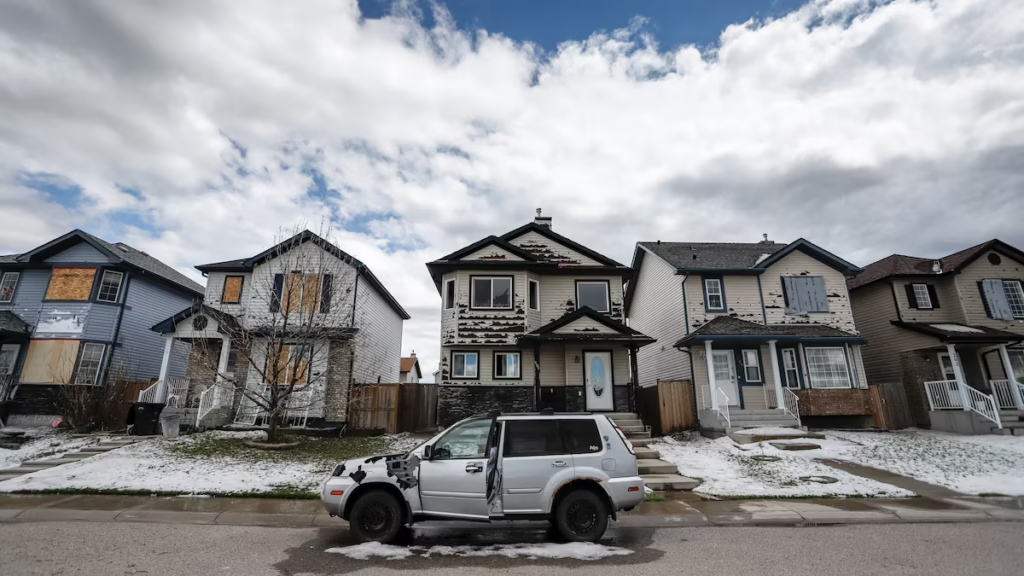
- Hail damage
Professional inspections provide a more comprehensive assessment than visual checks alone.
Experienced contractors can identify hidden vulnerabilities and recommend cost-effective repairs before major damage occurs.
Using a Roof Leak Checklist Calgary helps homeowners recognize when professional intervention is necessary.
Preventive Maintenance Tips to Avoid Roof Leaks
Preventive maintenance remains the most effective way to reduce roofing expenses.
Schedule Annual Inspections
Professional inspections help identify small concerns before they become costly repairs.
Keep Gutters Clean
Proper drainage protects roofing systems and foundations.
Trim Nearby Trees
Overhanging branches can damage shingles and trap moisture.
Improve Attic Ventilation
Balanced airflow reduces condensation and extends roof life.
Address Minor Repairs Quickly
Small problems rarely stay small.
Prompt repairs help prevent widespread damage and expensive restoration projects.
A proactive Roof Leak Checklist Calgary combined with regular maintenance provides long-term protection for your home.
Conclusion
Roof leaks often begin as small issues that go unnoticed until significant damage occurs. A consistent Roof Leak Checklist Calgary helps homeowners detect warning signs early, inspect vulnerable areas, and maintain their roofing system throughout the year.
From checking shingles and flashing to monitoring attic moisture and seasonal wear, each step contributes to a healthier, longer-lasting roof. Calgary’s unique climate makes regular inspections especially important, as weather conditions can accelerate roofing deterioration.
By following this checklist and addressing concerns promptly, you can reduce repair costs, protect your property, and extend the life of your roof. If you notice signs of damage or suspect a leak, consider scheduling a professional inspection before the problem worsens.
Frequently Asked Questions
1. How often should I use a Roof Leak Checklist Calgary homeowners recommend?
Most experts recommend performing a roof inspection at least twice per year and after major storms.
2. What is the first sign of a roof leak?
Water stains on ceilings and walls are often the earliest visible indicators.
3. Can hail cause roof leaks in Calgary?
Yes. Hail can crack shingles, damage flashing, and create openings that allow water penetration.
4. Should I inspect my roof after every storm?
A visual inspection from the ground is recommended after severe weather events.
5. What areas are most vulnerable to roof leaks?
Chimneys, skylights, flashing, valleys, and roof vents are common leak locations.
6. How do I know if my attic has a roof leak?
Look for wet insulation, mold growth, water stains, and visible sunlight entering the attic.
7. Can clogged gutters cause roof leaks?
Yes. Blocked gutters can force water under shingles and damage roofing materials.
8. Is winter a bad time to inspect a roof?
Direct roof access can be dangerous in winter. Interior and attic inspections are safer alternatives.
9. How long can a small roof leak go unnoticed?
Some leaks remain hidden for months before visible damage appears inside the home.
10. When should I call a roofing professional?
Contact a professional if you observe persistent leaks, structural concerns, significant water damage, or storm-related roof issues.