Ceiling water stains can be alarming for any homeowner. Whether the stain appears as a small yellow spot or a large discolored patch, it often signals an underlying issue that requires attention. In Calgary, changing weather conditions, snow accumulation, heavy rain, and aging roofing systems can all contribute to moisture problems inside homes.
When dealing with Ceiling Water Stains Calgary homeowners should understand that the visible stain is often only a symptom. The actual source may be a roof leak, plumbing issue, condensation problem, or inadequate ventilation.
This guide explains the common causes, warning signs, repair options, prevention strategies, and when to seek professional help. By understanding the root causes, homeowners can protect their property, avoid costly repairs, and maintain a safe indoor environment.
Common Causes of Roof Leaks Calgary Homeowners Should Know
One of the leading causes of indoor water damage is roof failure. Calgary’s climate places considerable stress on roofing systems throughout the year.
Heavy snowfall during winter can create ice dams that prevent proper drainage. When melting snow becomes trapped, water can seep beneath shingles and enter the attic.
Strong winds may also damage roofing materials. Missing shingles, cracked flashing, and exposed roof penetrations allow moisture to enter the structure.
Other common roof-related causes include:
- Aging roofing materials
- Damaged roof vents
- Cracked chimney flashing
- Improper roof installation
- Blocked gutters and downspouts
Because roof leaks often travel before becoming visible, the stain on the ceiling may not be directly beneath the source of the leak.
Homeowners noticing Ceiling Water Stains Calgary properties commonly develop after storms should schedule a professional inspection promptly.
Signs the Roof May Be Responsible
Look for these warning signs:
- Water spots after rainfall
- Damp attic insulation
- Mold growth in the attic
- Missing shingles
- Sagging ceiling sections
Early detection can significantly reduce repair costs.
Water Damage Ceiling Repair: Understanding the Severity
Not every ceiling stain indicates major structural damage. However, ignoring the issue can allow moisture to spread and worsen over time.
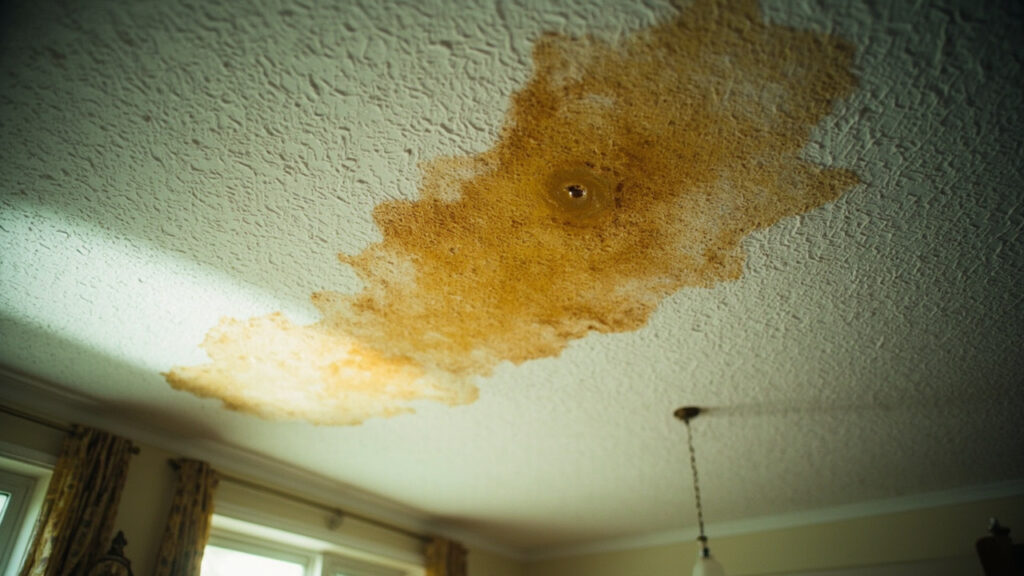
The appearance of the stain often provides clues about the extent of the problem.
Yellow or brown stains usually indicate prolonged water exposure. Darker stains may suggest ongoing leaks, while bubbling paint often signals trapped moisture.
Professional inspectors evaluate:
- Moisture content
- Structural integrity
- Mold growth risk
- Insulation condition
- Source of water intrusion
A thorough assessment helps determine whether cosmetic repairs are sufficient or if more extensive restoration is necessary.
When Repairs Become Urgent
Immediate repairs are recommended if you notice:
- Active dripping water
- Ceiling sagging
- Cracks spreading around stains
- Mold odors
- Electrical fixtures near water damage
Delaying repairs may lead to drywall failure and increased restoration costs.
For homeowners facing Ceiling Water Stains Calgary weather conditions can accelerate deterioration, making timely action especially important.
Attic Moisture Problems and Their Impact
Many homeowners assume all ceiling stains originate from roof leaks. However, attic moisture can create similar symptoms.
Warm indoor air naturally rises into the attic. Without adequate ventilation, condensation forms on colder surfaces during Calgary’s long winters.
Over time, this moisture can drip onto insulation and ceiling materials.
Common causes of attic moisture include:
- Poor ventilation
- Inadequate insulation
- Bathroom fans venting into attics
- Air leakage from living spaces
- Blocked soffit vents
Condensation-related staining often develops gradually and may appear in multiple areas of the home.
How Proper Ventilation Helps
A well-ventilated attic provides several benefits:
- Reduces condensation
- Extends roof lifespan
- Improves energy efficiency
- Prevents mold growth
- Maintains indoor comfort
Regular attic inspections can identify developing moisture issues before they become major concerns.
When investigating Ceiling Water Stains Calgary contractors frequently inspect attic ventilation as part of the diagnostic process.
Plumbing Leaks Hidden Above Ceilings
Not all water stains originate from the roof. Plumbing systems located above ceilings can also create moisture problems.
Bathrooms, kitchens, laundry rooms, and second-floor plumbing fixtures are common sources.
Small plumbing leaks often go unnoticed for weeks or months. During that time, water slowly saturates drywall and insulation.
Potential plumbing-related causes include:
- Leaking supply lines
- Drain pipe failures
- Overflow incidents
- Faulty plumbing connections
- Damaged appliance hoses
Because plumbing leaks can occur year-round, stains may appear regardless of weather conditions.
Identifying a Plumbing Leak
Indicators often include:
- Stains below bathrooms
- Water damage near fixtures
- Increased water bills
- Persistent dampness
- Moldy odors
Professional leak detection can quickly identify hidden plumbing issues and prevent further damage.
Signs That Ceiling Water Stains Require Professional Attention
Some stains may appear harmless initially. However, several warning signs indicate the need for expert evaluation.
Professional inspections help identify hidden damage that may not be visible from the living space.
Watch for:
- Expanding stains
- Recurring discoloration
- Soft drywall
- Peeling paint
- Musty odors
- Mold growth
- Ceiling sagging
Ignoring these symptoms can lead to structural deterioration and costly repairs.
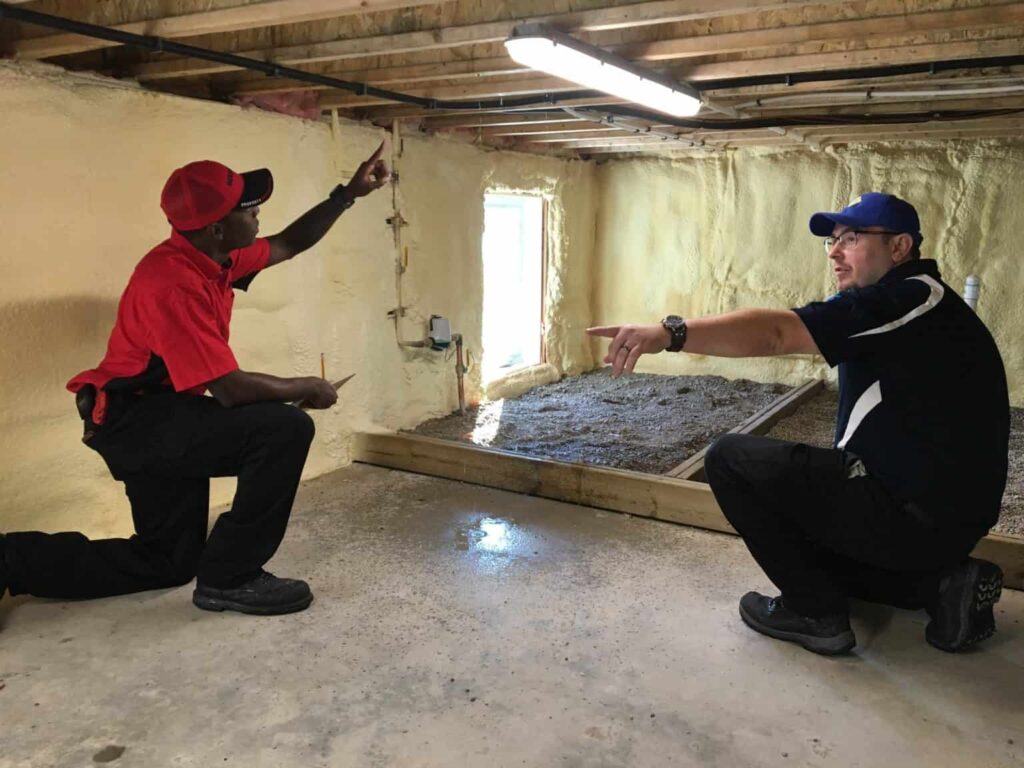
Qualified professionals use moisture meters, thermal imaging equipment, and attic inspections to locate the source accurately.
Many cases involving Ceiling Water Stains Calgary homeowners report begin with a small discoloration that gradually expands over time.
Why Accurate Diagnosis Matters
Repairing only the visible stain rarely solves the problem.
Professionals focus on:
- Finding the source.
- Stopping water intrusion.
- Drying affected materials.
- Repairing damaged components.
- Preventing future issues.
This approach provides a lasting solution rather than a temporary cosmetic fix.
Preventing Future Moisture and Water Damage
Prevention is often less expensive than restoration. Regular maintenance can significantly reduce the likelihood of ceiling stains developing.
Homeowners should schedule annual inspections and address minor issues before they become major problems.
Recommended preventive measures include:
- Inspect roofing annually
- Clean gutters regularly
- Check attic ventilation
- Monitor indoor humidity
- Inspect plumbing connections
- Repair damaged flashing promptly
- Replace aging roofing materials
Preventive maintenance helps protect both the roof and interior living spaces.
Seasonal Maintenance Checklist
Spring:
- Check for winter damage
- Inspect gutters
- Examine attic insulation
Summer:
- Inspect roof surfaces
- Repair flashing issues
- Address ventilation concerns
Fall:
- Remove debris
- Prepare for snowfall
- Inspect drainage systems
Winter:
- Monitor ice dam formation
- Check attic temperatures
- Watch for condensation
Following these practices can reduce the risk of Ceiling Water Stains Calgary homeowners commonly experience during seasonal weather changes.
Why Early Action Saves Money
Many homeowners delay addressing water stains because the damage appears minor. Unfortunately, moisture problems often worsen behind the scenes.
Water can affect:
- Drywall
- Insulation
- Framing
- Electrical systems
- Flooring
- Interior finishes
The longer moisture remains present, the greater the repair costs.
Early intervention typically involves simpler repairs and less disruption. It also reduces the likelihood of mold growth and structural deterioration.
Professional inspections provide peace of mind and help homeowners make informed decisions about repairs and maintenance.
Addressing Ceiling Water Stains Calgary residents discover early can significantly reduce restoration expenses while preserving property value.
Conclusion
Ceiling stains should never be ignored. Although they may seem like a cosmetic issue, they often indicate underlying moisture problems that require attention. Roof leaks, attic condensation, plumbing failures, and ventilation issues are among the most common causes.
Understanding the source of the problem is the first step toward effective repairs. Regular inspections, proactive maintenance, and prompt action can prevent small issues from becoming costly restoration projects.
If you notice Ceiling Water Stains Calgary homes frequently develop due to weather or moisture-related concerns, consider arranging a professional inspection. Early diagnosis and proper repairs can protect your home, preserve its value, and help prevent future damage.
Frequently Asked Questions
1. What causes Ceiling Water Stains Calgary homeowners commonly see?
The most common causes include roof leaks, attic condensation, plumbing leaks, and poor ventilation.
2. Are ceiling water stains dangerous?
They can be. Persistent moisture may lead to mold growth, structural damage, and deteriorating drywall.
3. Can a ceiling stain disappear on its own?
The stain may dry, but the underlying source usually remains and requires repair.
4. How can I tell if the stain comes from a roof leak?
Stains that worsen after rain or snowmelt often indicate roofing issues.
5. Should I repaint a stained ceiling?
Only after identifying and repairing the source of moisture.
6. Can attic condensation cause ceiling stains?
Yes. Poor ventilation often leads to moisture buildup that damages ceilings.
7. How quickly should I address Ceiling Water Stains Calgary homes develop?
As soon as possible to prevent further damage and higher repair costs.
8. Do plumbing leaks cause ceiling discoloration?
Yes. Hidden plumbing leaks are a common source of ceiling staining.
9. Will homeowners insurance cover ceiling water damage?
Coverage depends on the cause and your specific insurance policy.
10. How can I prevent future ceiling water stains?
Regular roof inspections, proper ventilation, plumbing maintenance, and moisture monitoring can help prevent future problems.